
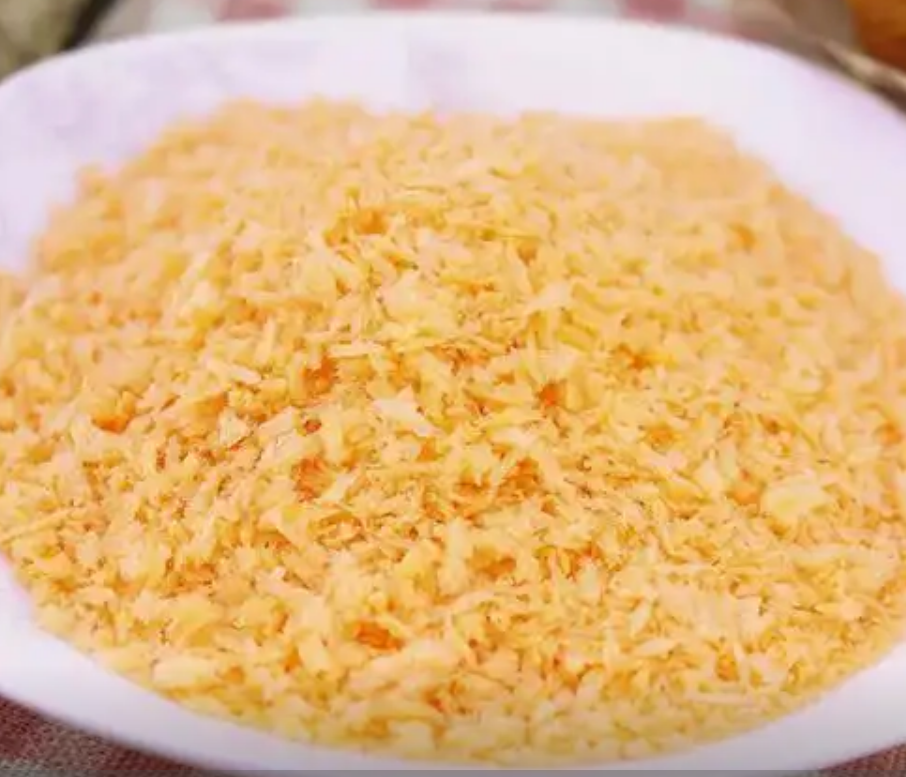
Panko, the iconic Japanese-style breadcrumb, is renowned for its unique, shard-like structure that delivers an exceptionally crisp, airy, and non-greasy coating. bread crumb grinder machine Unlike traditional rounded breadcrumbs, panko features elongated, needle-like flakes. This distinctive texture is not a product of a special recipe, but of a highly specific and controlled industrial process. Here is a detailed look into the manufacturing technology behind panko.
1. The Core Principle: Crustless Bread and Electrical Baking
The journey to panko begins with a simple, specific dough and an unconventional cooking method.
- The Dough: A lean, neutral-flavored dough is used, typically consisting of wheat flour, water, yeast, and salt. The goal is a bread with minimal crust and a uniform, soft crumb structure. Fat, sugar, and milk are often omitted to prevent browning and achieve the desired neutral flavor and white color.
- Electrical Baking (The Key Differentiator): This is the most critical and unique step. bread crumb grinder machine Instead of being baked in a traditional gas or electric oven, the dough is placed between large metal plates or electrodes and cooked using a low-voltage electrical current.
- Process: As the current passes through the dough, the water molecules within it rapidly vibrate, generating internal heat. This cooks the dough from the inside out.
- Result: The bread is steamed and set without forming a traditional, hardened, baked crust. The exterior remains pale and tender, much like the skin of a steamed bun. The internal structure sets into a fine, uniform, and remarkably elastic matrix of gluten and starch. This lack of a hard crust and the specific internal texture are fundamental for creating the signature panko flake.
2. The Specialized Drying & Grinding Process
After the loaves cool, they enter the secondary processing phase designed to preserve and exploit their unique structure.
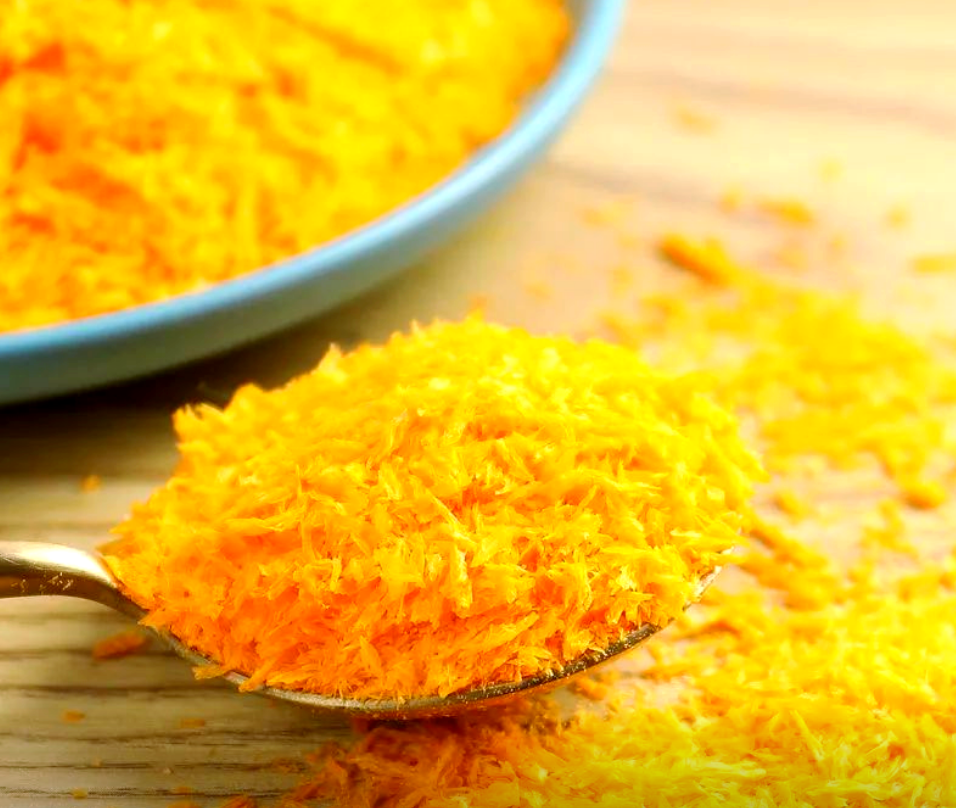
- Drying: The crustless loaves are passed through a series of drying ovens. The goal is to remove moisture thoroughly and evenly without toasting or browning the bread. This yields a very dry, lightweight, and stable “bread rusk.”
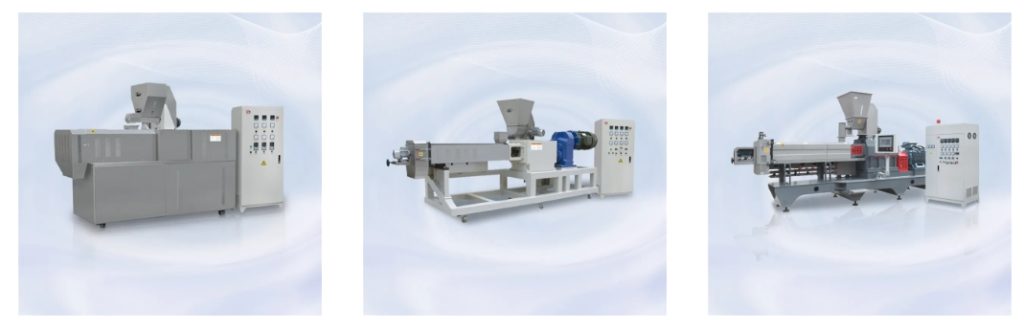
- Coarse Grinding (Not Pulverizing): The dried loaves are fed into specialized mills or grinders equipped with coarse rollers or blades. This step is crucial.
- Technique: Instead of crushing or hammer-milling the bread into a powder or small sphere, the equipment is set to shear or tear the dry, elastic crumb apart.
- Result: Because the bread has no crust and a uniform, cohesive internal structure, it fractures along its natural lines, creating large, jagged, flake-like or needle-like shards. These shards have a much larger surface area and more angular edges than traditional breadcrumbs.
3. Sifting and Grading
The ground product is passed over a series of vibrating screens (sifters) to separate it into consistent sizes.
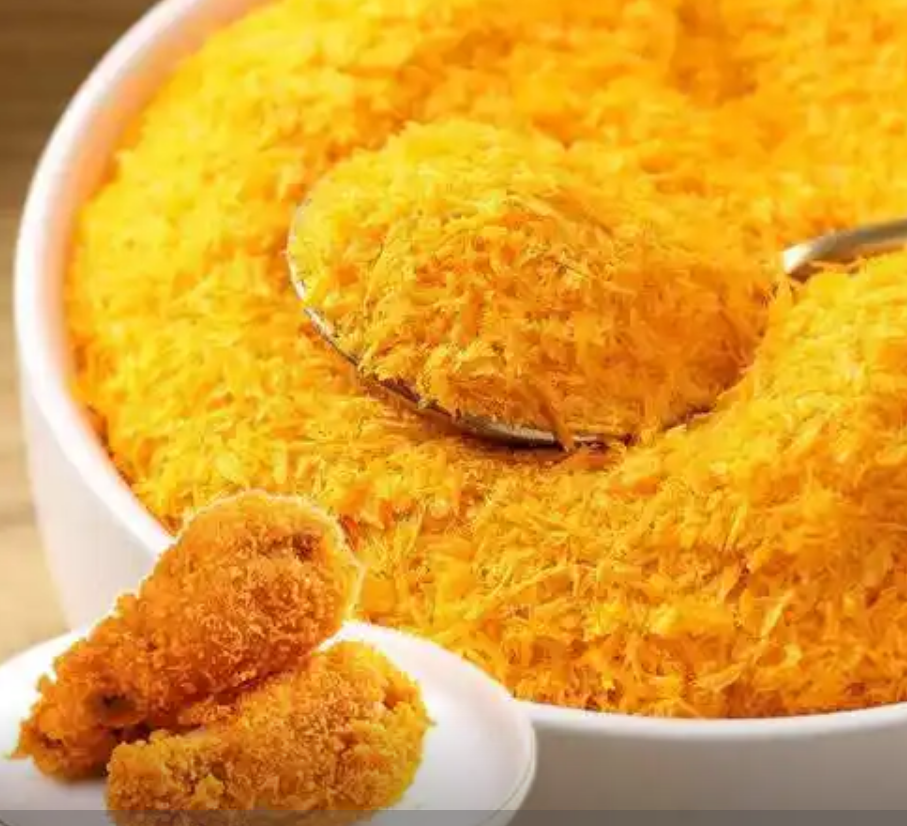
- Standard Panko Flakes: The main product consists of the iconic flakes, typically 1-2 cm in length.
- Fine Panko / Panko Powder: Smaller particles are sifted out and may be sold separately for applications where a finer, yet still crisp, coating is desired (e.g., for delicate fish).
- Oversized Pieces: These are often recycled back into the grinder.
4. Key Characteristics of the Final Product
The process imparts several defining qualities to panko:
- Texture (Needle/Flake Shape): The angular shards create a craggy, porous coating that traps air. This results in a lighter, crispier, and more brittle texture than the dense, sand-like crunch of traditional breadcrumbs.
- Absorption: The sharp edges and porous structure actually absorb less oil during frying, leading to a cleaner, less greasy final product.
- Color: Because the bread is never toasted during baking or drying, high-quality panko remains stark white. bread crumb grinder machine This allows fried foods to achieve a golden-brown color from the cooking oil alone, without risk of the coating burning.
- Neutral Flavor: The simple dough formula ensures panko acts primarily as a textural component without imparting its own strong flavor.
5. Comparison with Traditional Breadcrumb Production
| Feature | Panko (Needle-Style) | Traditional Dry Breadcrumbs |
|---|---|---|
| Bread Source | Specially baked, crustless loaves | Various breads, often including crusts |
| Baking Method | Electrical current (internal steaming) | Conventional oven baking |
| Primary Texture | Large, coarse, jagged flakes/slivers | Fine, granular, sandy particles |
| Structure | Open, airy, shard-like | Dense, compact, rounded |
| Oil Absorption | Lower | Higher |
| Final Crisp | Light, shattering, brittle | Hard, uniform, solid crunch |
| Primary Color | White | Light tan to golden brown |
Panko is a masterclass in food process engineering, where a specific physical texture is prioritized and achieved through a tailored manufacturing method. It is not defined by its ingredients, but by its process: the crustless electrical bake followed by coarse shearing. This precise combination transforms a simple wheat dough into the irreplaceably light, crisp, and clean-textured coating that has revolutionized frying techniques in both professional and home kitchens worldwide. The “needle” in needle-style breadcrumbs is a direct result of this carefully controlled fracture of a uniquely structured bread.
 English
  Russian
  Spanish
  Italian
  Arabic
  Portuguese
  German
  French
  Japanese
  Moroccan Arabic
  Persian
  Belarusian