
6 Key Points for Producing High-Quality Fortified Rice
Fortified rice is produced by blending regular milled rice with a small percentage of fortified rice kernels (FRKs). These kernels are manufactured from a mixture of rice flour and essential micronutrients (like iron, folic acid, vitamin B12, and zinc) using an extrusion process. Ensuring the final product is both nutritious and acceptable to consumers requires strict attention to detail. Here are six critical points for achieving high-quality fortified rice:
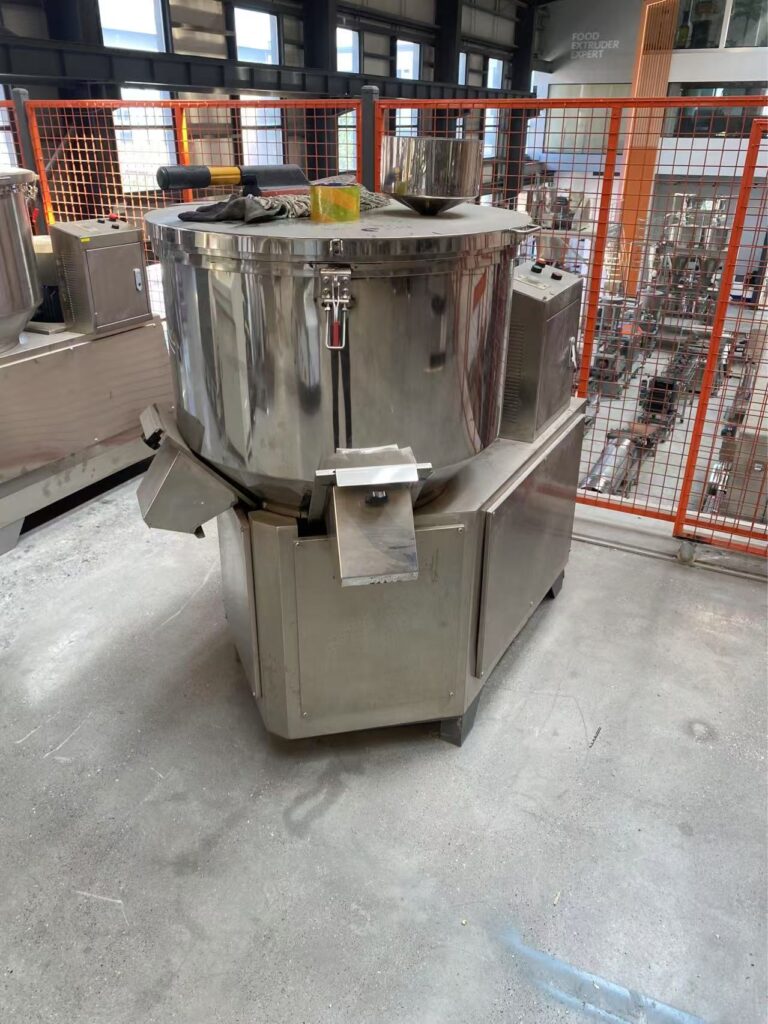
1. Quality and Sourcing of Raw Materials (Rice Flour)
The foundation of a good fortified rice kernel is the rice flour itself. It must be made from high-quality, sound rice—not broken, damaged, or infested grains. The flour should have the appropriate particle size and moisture content to ensure it mixes well with the vitamin and mineral premix and extrudes properly. Using fresh, good-quality raw materials directly impacts the taste, texture, and cooking quality of the final FRKs.
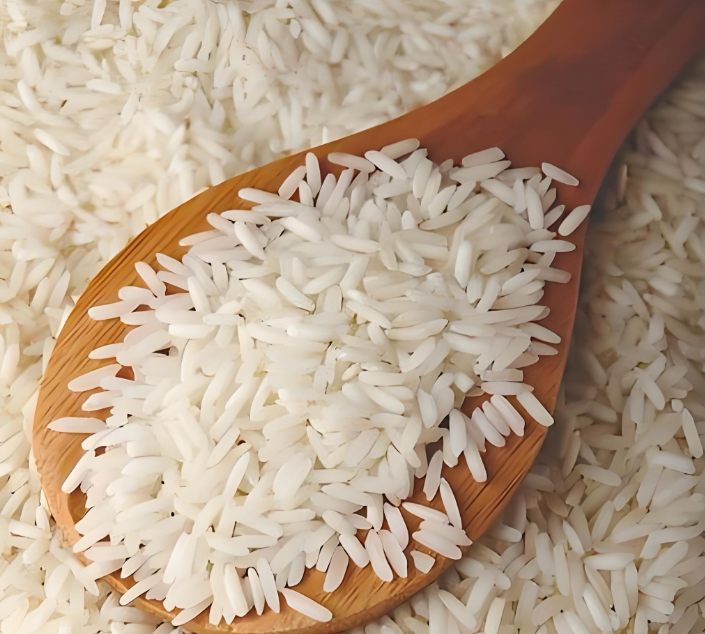
2. Precision and Homogeneity of the Vitamin & Mineral Premix
The entire purpose of fortification is to deliver a consistent dose of nutrients. This requires a high-quality premix where the vitamins and minerals are evenly distributed. The premix must be accurately dosed and thoroughly blended with the rice flour before extrusion. Any inconsistency in the premix or its incorporation will lead to FRKs with varying nutrient levels, compromising the nutritional goals of the program.

3. Optimization of the Extrusion Process
Extrusion is the heart of FRK production. The parameters—temperature, pressure, screw speed, and residence time—must be meticulously controlled.
- Temperature: Sufficient heat is needed to partially cook the rice flour and gelatinize the starch, which gives the kernel its structure and helps it bind. However, excessive heat can degrade heat-sensitive vitamins.
- Pressure and Die: Correct pressure ensures the dough is forced through the die properly to create kernels that closely mimic the shape and size of the local, natural rice grains they will be blended with.
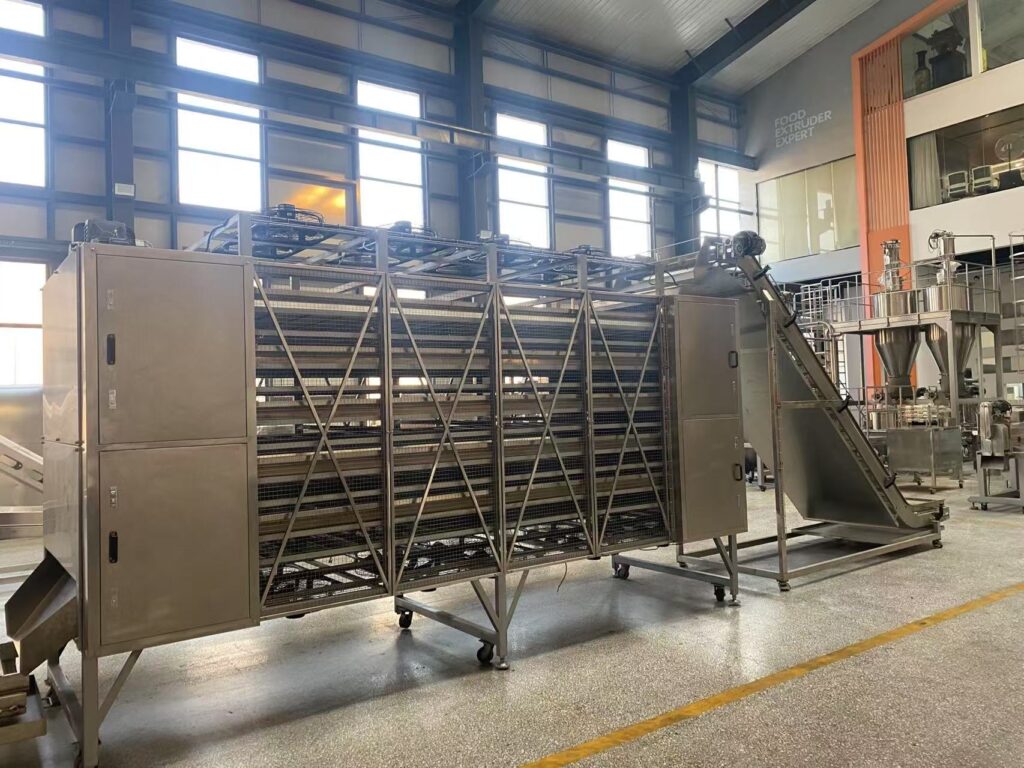
4. Drying and Curing to Achieve Target Moisture
Freshly extruded FRKs have a high moisture content and are soft and pliable. They must be dried immediately in a controlled manner (usually with hot air followed by cooling) to reduce the moisture to a safe level (typically 12% or lower). Proper drying stabilizes the kernel, hardens it to prevent breakage, and ensures it has a similar density and cooking time as regular rice. Insufficient drying can lead to mold growth and a short shelf life.
5. Matching Physical Attributes with Local Rice Varieties
For fortified rice to be accepted by consumers, the FRKs must blend in seamlessly. The kernels should be as close as possible in shape, size, color, and density to the variety of regular rice they are being mixed with. If the FRKs are a different color, much smaller or larger, or cook at a different rate, consumers may reject the product. The goal is to fortify the rice without altering its familiar sensory qualities.
6. Ensuring Stability and Conducting Quality Control
The nutritional value and physical integrity of FRKs must last from the production facility to the consumer’s plate.
- Stability: The production process and packaging must protect vitamins, which can degrade over time when exposed to light, oxygen, heat, and moisture.
- Quality Control: A robust in-house quality control system is non-negotiable. This includes regular checks on raw materials, in-process parameters (like kernel dimensions and moisture), and finished product testing for nutrient content. This ensures every batch meets the required specifications and safety standards.
 English
  Russian
  Spanish
  Italian
  Arabic
  Portuguese
  German
  French
  Japanese
  Moroccan Arabic
  Persian
  Belarusian