
Inside Corn Flakes: A Transparent Look at How Breakfast Cereal Is Really Made
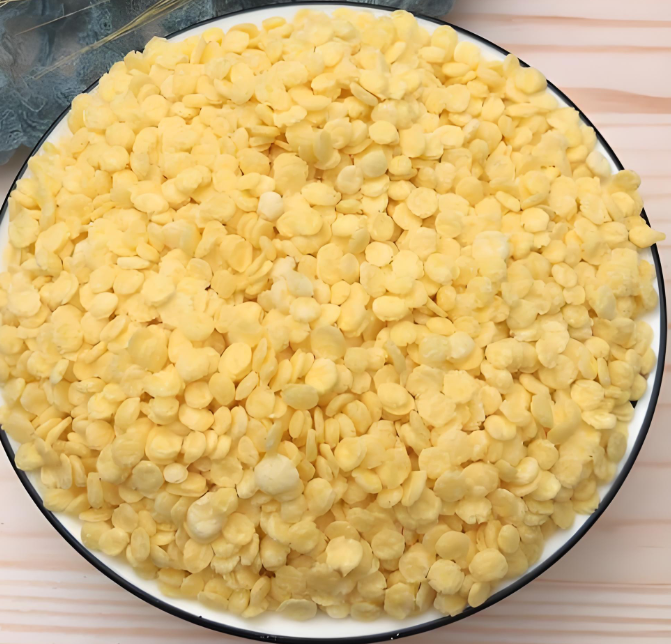
Corn flakes are marketed as simple and wholesome—“made from corn,” “fortified with vitamins,” “crispy and light.” corn flakes making machine But the familiar golden flakes in a box are not a raw grain product. They are the result of a carefully engineered industrial process designed to control texture, sweetness, color, shelf life, and cost. This […]
Applications of Food Extruders: Where Extrusion Technology Is Used in the Food Industry
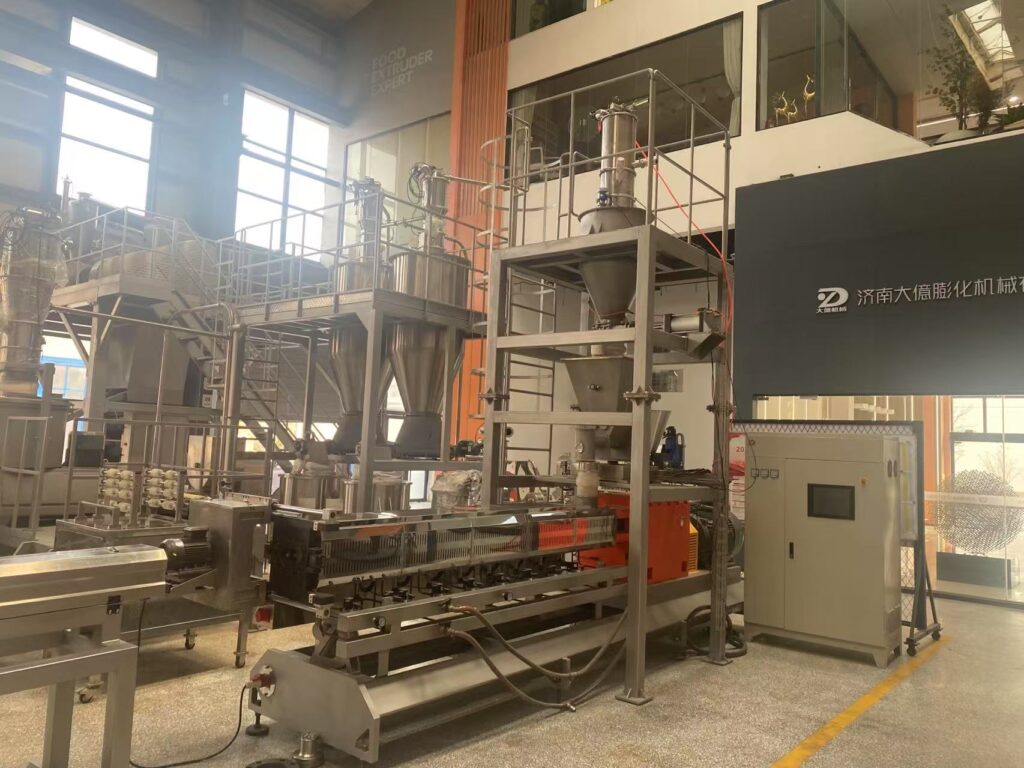
Food extrusion is a high-efficiency process that combines mixing, cooking, shaping, and texturizing in one continuous operation. By controlling moisture, temperature, pressure, and mechanical shear, an extruder can transform simple raw materials—such as grains, starches, and proteins—into products with specific textures, shapes, and functional properties. Because of this flexibility, food extruders are used across many […]
How Crispy Puff Snacks Are Made: The Production of Crunchy Extruded Foods
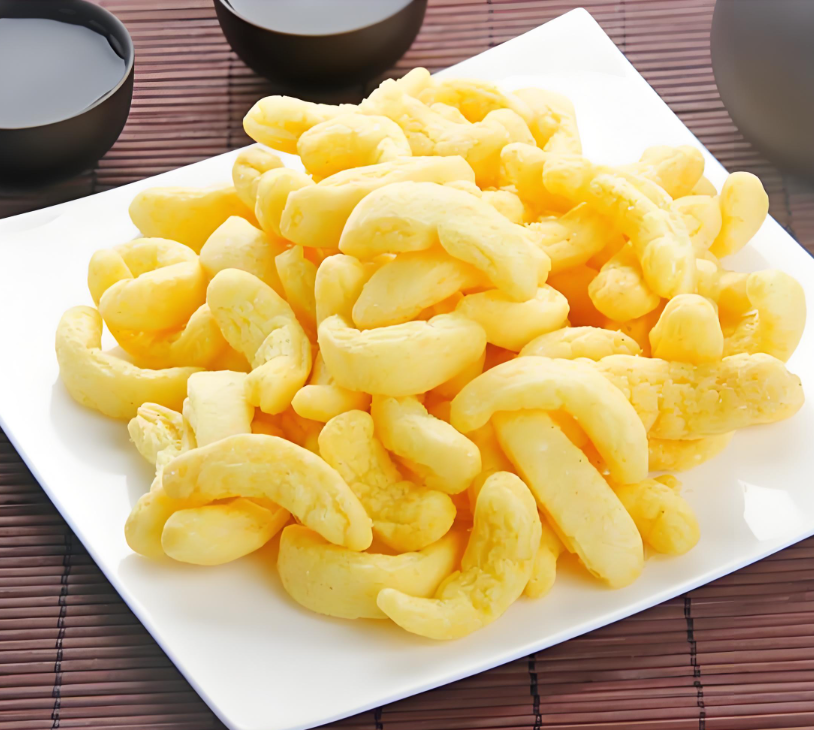
Crispy puffed snacks—such as corn puffs, cheese curls, rice puffs, and many other “extruded” snacks—feel simple to eat, but they are engineered foods. Their light texture, loud crunch, and quick melt-in-the-mouth bite come from tightly controlled processing: hydration, cooking under pressure, rapid expansion, drying, and seasoning. This article explains how manufacturers produce consistently crisp puffed […]
Inside High‑Quality Fish Feed: A Transparent Look at How It’s Made
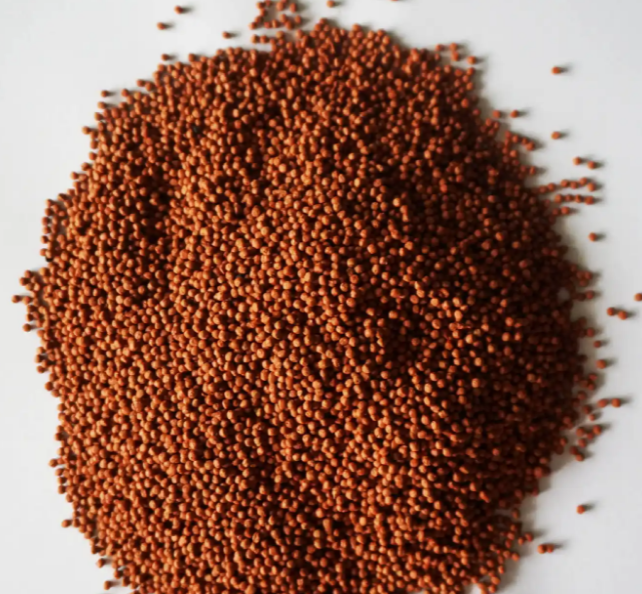
High-quality fish feed is often marketed with polished claims—“premium protein,” “high digestibility,” “clean ingredients.” fish feed making machine But what actually separates a top-tier aquafeed from an average pellet is not only the ingredient list. The real story is the processing: how raw materials are selected, handled, cooked, formed, dried, coated, and tested. This article […]
 English
  Russian
  Spanish
  Italian
  Arabic
  Portuguese
  German
  French
  Japanese
  Moroccan Arabic
  Persian
  Belarusian